
Print, Memory, and Preservation
News of the WorldThis thread follows how writing, print, and oral stories preserve experience while revealing what records leave out.
increasing Bearing strength in each event
 decreasing
Bearing strength in each eventdecreasingThe Printing Office Ideal
The Printing Office Ideal
Words made durable
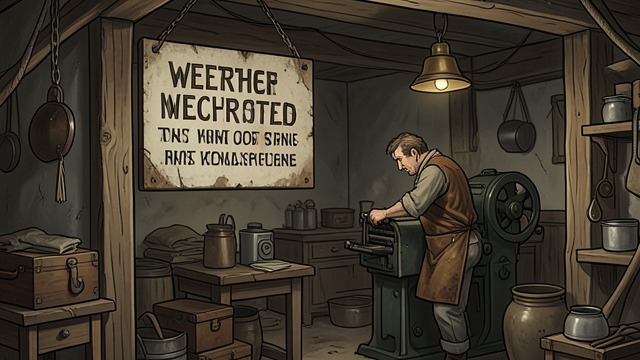
A sign in a Dallas print shop calls the office a refuge for truth against rumor and a place where words can be verified in proof. Kidd responds with envy because printing once gave him a stable craft.
An ideal under pressure
The statement offers a standard for public communication that the political newspapers around him often fail to meet. Print can preserve words, but it cannot ensure that power or readers will use them honestly.
The Letter to Georgia

The Letter to Georgia
Family kept at a distance
Kidd writes to his daughters about travel, land titles, health, and the possibility of returning to Texas. He edits out painful memories and worries about exposing them to further fear.
A record of hesitation
The letter reveals how carefully he manages information even in private. He can report facts but struggles to tell his family everything he feels about war, loss, and the future.
A Word Remembered
A Word Remembered
German returns in fragments
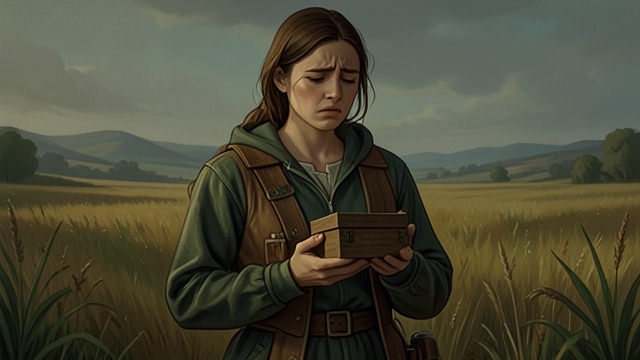
When Kidd mentions her aunt and uncle in German, Cicada recognizes the words and then recalls that her parents are dead. Her memory emerges unevenly, through language rather than a complete narrative.
The cost of recognition
The brief recovery of a word brings grief back into the present. Kidd stops the lesson and changes course, recognizing that information can wound as well as orient.
The Dictionary Attempt
The Dictionary Attempt
Recording a language
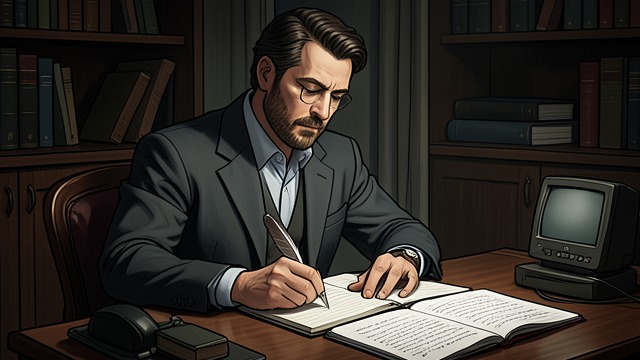
Kidd writes down Kiowa words to begin a dictionary, but struggles to represent the language’s many specific tones. The written system cannot easily carry everything that gives the spoken words their meaning.
Preservation’s limits
His project expresses respect and a desire to remember, while exposing the difficulty of turning living speech into print. The effort cannot substitute for the relationships and sounds that shaped Cicada’s first language.
Stories in the Earth
Stories in the Earth
A different archive
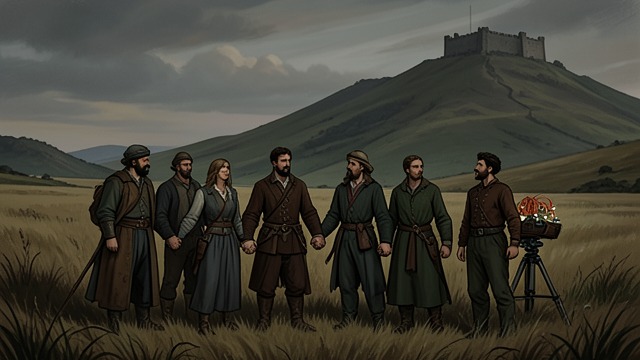
The novel ends by recalling that the Kiowa warriors’ bones are absent from the landscape, while their lives persist in stories told and retold. Oral memory carries histories that official records may overlook.
The duty to remember
Kidd’s news, printing, and dictionary all belong to a larger effort to transmit what might otherwise disappear. The final emphasis falls on people whose names and experiences survive through narrative.
Kidd’s years as a printer in San Antonio
March 1870, in Dallas
March 1870, after Cicada recalls her relatives
During the years after the return journey
Kidd’s old age
